Overview
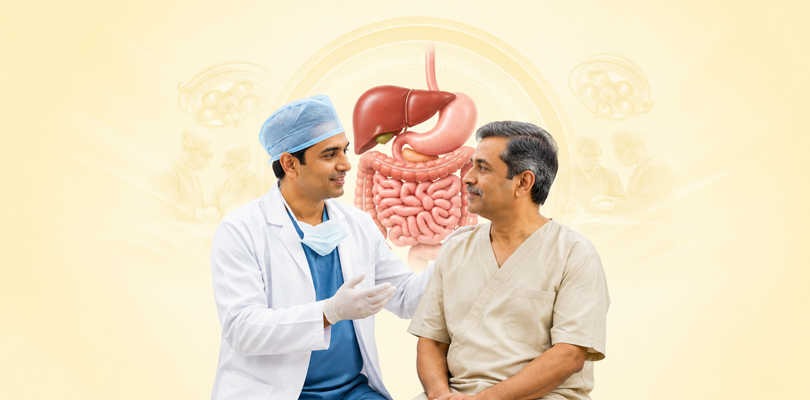
The department of GI Surgery at Lilavati Hospital, Gujarat, treats diseases of the digestive tract, including the esophagus, stomach, intestines, liver, pancreas, gallbladder, and rectum. It includes both planned and emergency surgeries, from simple ones like gallbladder removal to more complicated ones like cancer surgery. Depending on the problem, surgery may be performed using traditional open methods or less invasive techniques such as laparoscopy. The goal is not only to eliminate the disease but also to preserve as much normal digestive function as possible. Care often means working with nutritionists, oncologists, and gastroenterologists.
Patients are referred to GI surgeons when they don't improve with medication alone or when there is a structural problem that needs to be addressed. Some common reasons are severe stomach pain, gallstones, hernias, intestinal blockage, tumors, or problems like bleeding or perforation. Surgery is also part of the treatment plan for people with cancers of the digestive system. In some cases, surgery is needed right away, like when someone has appendicitis or a bowel obstruction. Delaying surgery can make things much worse.
There are many conditions that our GI surgeon can help with. These are gallbladder disease, appendicitis, hernias, problems with the colon, and intestinal blockage. It also includes surgery to treat cancers of the liver, pancreas, stomach, colon, and esophagus. Cholecystectomy, appendectomy, bowel resection, and tumor removal are some of the procedures that may be done. Many of these procedures use minimally invasive techniques, reducing recovery time. For some patients, weight loss surgery is also part of GI surgical care.
In general, GI surgery has good outcomes, especially when the problem is identified early and treated promptly. Minimally invasive techniques have made recovery better by shortening hospital stays and making the pain after surgery less severe. Most patients return to their normal lives within a few weeks, though this depends on the procedure. Long-term results are often very good with proper follow-up and dietary management, and quality of life improves a lot.
