Overview
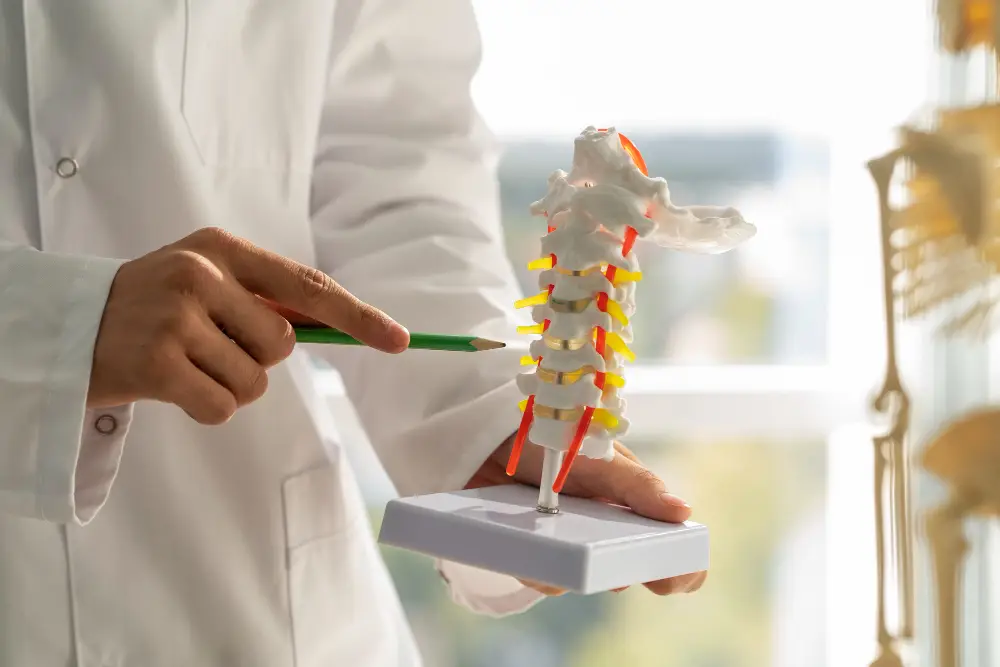
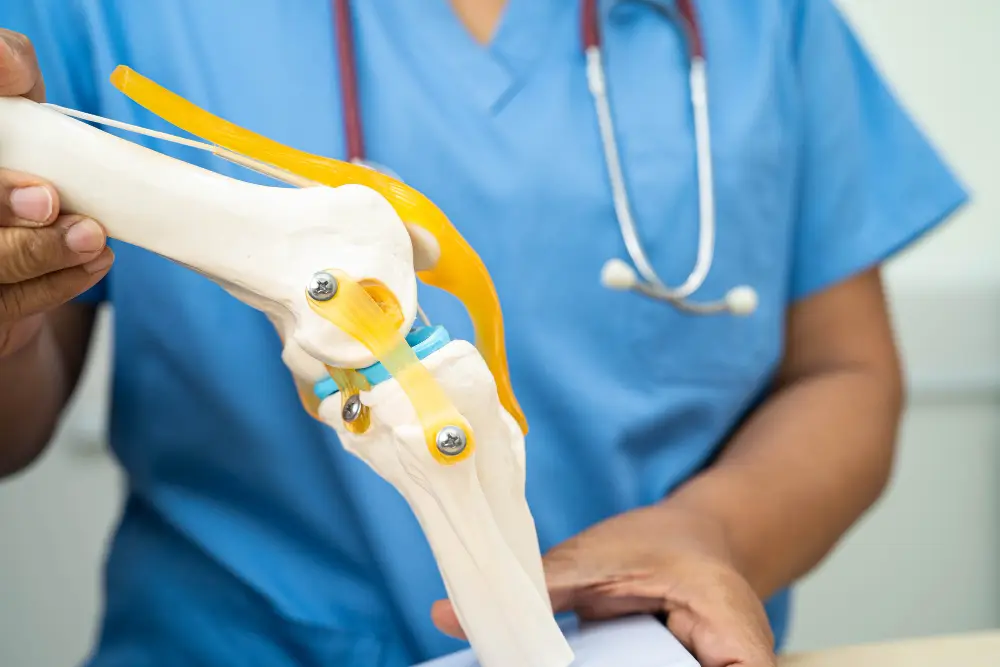
The department of Orthopaedics at Lilavati Hospital, Gujarat, deals with the bones, joints, ligaments, tendons, and muscles that make up the musculoskeletal system. It helps with both injuries and long-term conditions that make it hard to move and do things. Orthopedic care includes both surgical and non-surgical treatments. Non-surgical treatments include physiotherapy and medications, while surgical treatments include fixing broken bones and replacing joints. X-rays, MRIs, and CT scans are all useful for finding out what's wrong. The goal is clear: to reduce pain, restore movement, and help patients safely return to their normal level of activity.
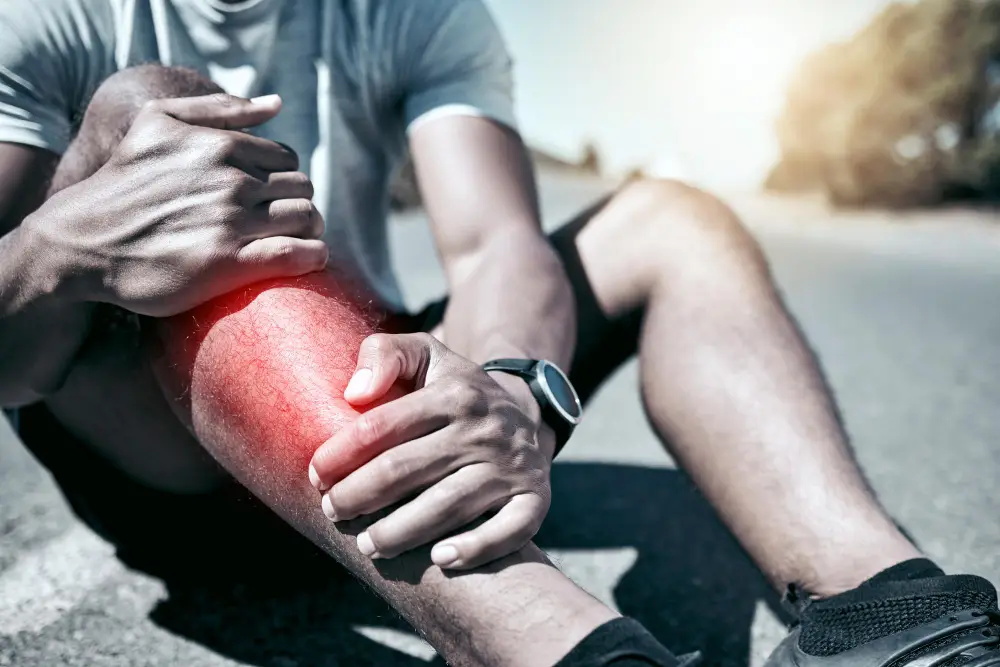
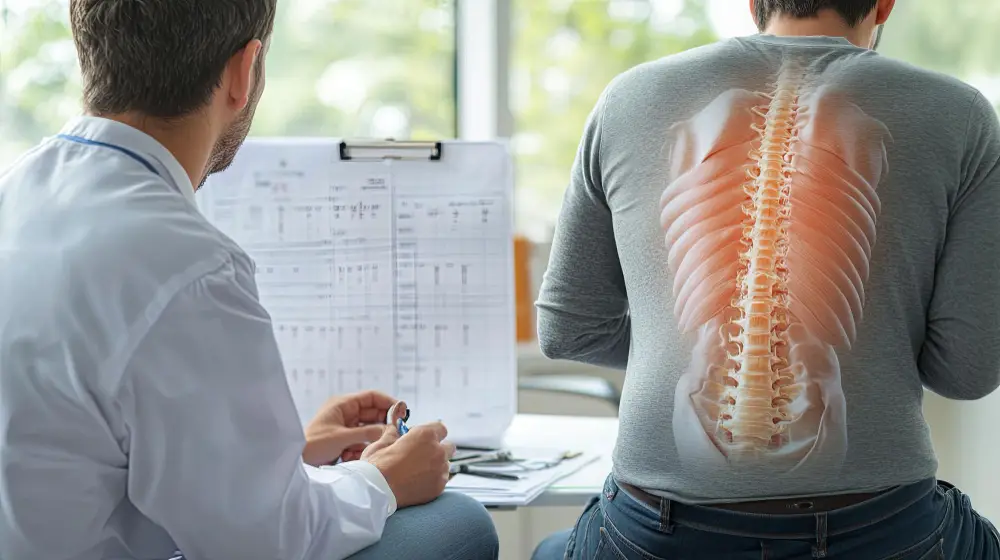
People usually see an orthopedic doctor when they are in pain, stiff, or having trouble moving. It could be due to injuries such as broken bones, sprains, or torn ligaments, or to long-term conditions such as arthritis. Back pain, joint pain, sports injuries, and trouble walking are among the most common reasons people seek help. If someone has an accident or their symptoms don't improve with basic care, they may also be sent to a doctor. Patients sometimes go to the doctor for problems that have been bothering them for a long time and are slowly making it harder for them to do everyday things.
There are many different conditions that our orthopaedic deals with. Our Orthopedic surgeons treat a variety of musculoskeletal problems. These include broken bones, dislocated joints, torn ligaments (like ACL tears), tendon injuries, and joint issues such as osteoarthritis and rheumatoid arthritis. They also treat spinal problems, including herniated discs and chronic back pain. Treatment plans may include medications, physical therapy, injections, or surgical procedures. These procedures can include arthroscopic surgery, fracture fixation, or joint replacements, such as hip or knee replacements. Injuries and sports-related deformities are also a major part of this field.
Most orthopedic problems can be treated well, especially if they are caught early. Advances in minimally invasive surgery and rehabilitation have shortened recovery times and improved outcomes. Many patients return to their normal activities and regain good function, but some long-term conditions may require ongoing care. Long-term results depend on regular follow-up, exercise, and changes to your daily life.