

Overview
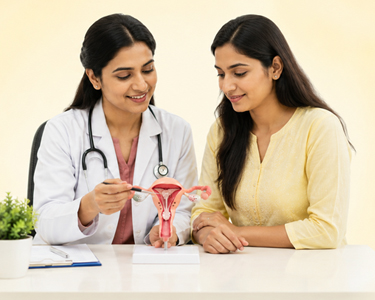
The department of Gynaecology at Lilavati Hospital, Gujarat, focuses on the health of the female reproductive system, encompassing the uterus, ovaries, fallopian tubes, cervix, and vagina. It includes a range of care, such as regular checkups, screenings to catch problems early, and the diagnosis and treatment of more serious issues. Our Gynecologists use physical exams, ultrasound imaging, and lab tests to assess a woman's reproductive health. While gynecology and obstetrics share some similarities, especially in caring for pregnant patients, gynecology mainly focuses on health issues unrelated to pregnancy. It is important for both your physical health and your overall quality of life.
There are many reasons women see a gynecologist. Most of the time, it's because of problems with their periods, hormones, or reproduction. Some of the most common reasons are having irregular periods, heavy bleeding, pelvic pain, strange vaginal discharge, or being worried about getting pregnant. You should also see your doctor for regular checkups, Pap tests, and HPV tests. Women may also see a doctor if they have menopause symptoms, need birth control advice, or notice changes in their reproductive health that they can't explain. In many cases, talking to a doctor early on can help you avoid problems and make sure you get treatment on time.
Our Gynaecology experts deal with many issues affecting the reproductive system. Menstrual disorders, including polycystic ovary syndrome (PCOS), endometriosis, uterine fibroids, and ovarian cysts, as well as infections, represent a subset of relevant conditions. Furthermore, the domain encompasses diagnostic procedures and therapeutic interventions for malignancies such as ovarian, cervical, and uterine cancers. Contraceptive methods, fertility assessments, and the management of menopausal symptoms are also significant components of this field. Treatment options vary, encompassing medications, hormone therapy, surgical interventions, or less invasive techniques, contingent on the specific diagnosis.
From a broader perspective, many gynecological issues are readily manageable with prompt diagnosis and appropriate treatment. Maintaining reproductive health hinges on consistent checkups and screenings. Thanks to advancements in medical practice and the adoption of less invasive surgical methods, outcomes have significantly improved. This progress contributes to the overall well-being, comfort, and quality of life for women at every stage.