Overview
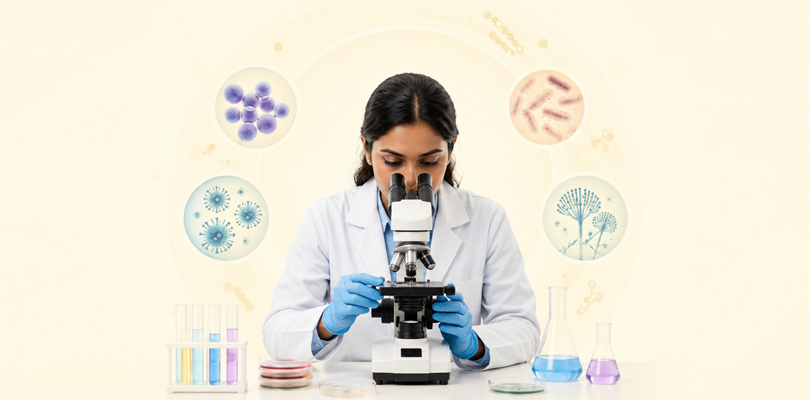
The Department of Microbiology at Lilavati Hospital, Gujarat, studies microorganisms such as bacteria, viruses, fungi, and parasites that can make people sick. It is very important for detecting infections and determining the best way to treat them. In a clinical setting, the lab examines samples such as blood, urine, sputum, or swabs to detect these organisms. Our microbiologists not only identify the cause of an infection but also determine which antibiotics or other treatments are most likely to be effective. Much of this work happens behind the scenes, but it directly impacts how hospitals and clinics manage infections.
The department doesn't treat diseases, but it's very important for identifying them. It helps detect many different infections, including pneumonia (a respiratory infection), urinary tract infections, gastrointestinal infections, bloodstream infections, and skin or wound infections. It is also very important for detecting more complex diseases, such as tuberculosis, viral infections, and hospital-acquired infections. Microbiology helps doctors choose the best medicine by identifying the exact organism and determining its drug sensitivity.
Microbiology is still evolving as rapid diagnostics and molecular testing improve. Identifying pathogens more quickly leads to faster and more accurate treatment. Microbiology is becoming increasingly important as antibiotic resistance grows. This is because it helps ensure that medications are used correctly and responsibly, leading to better health for patients and the public.