

Overview
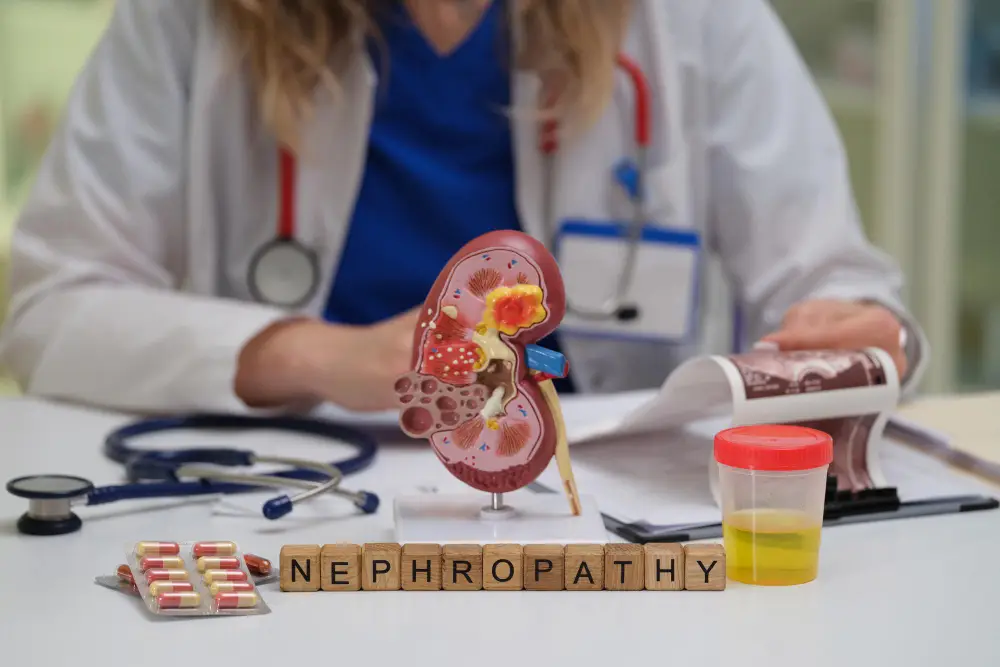
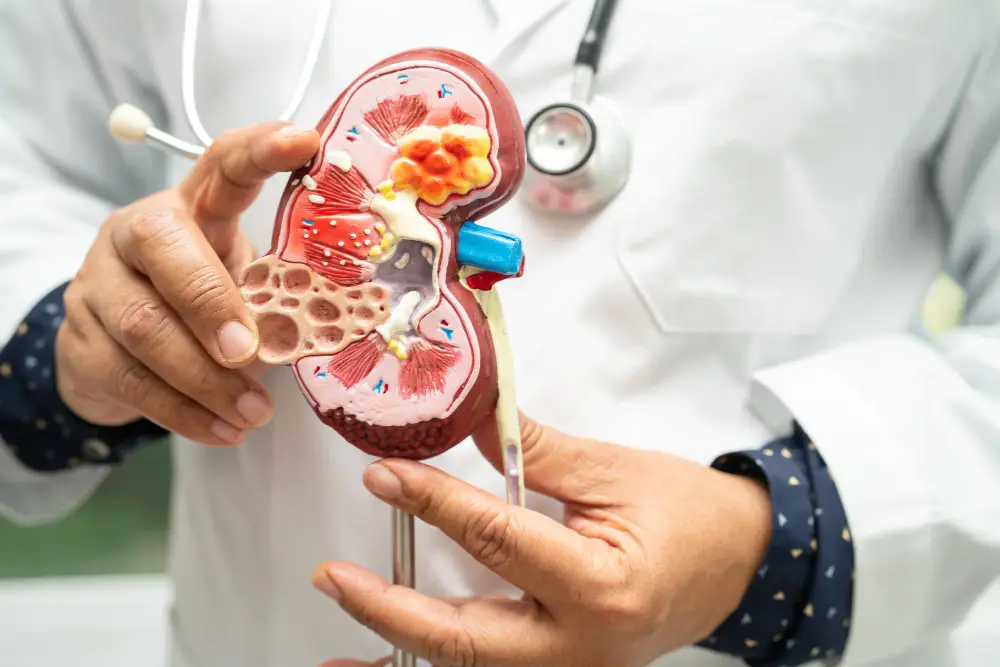
The Department of Nephrology at Lilavati Hospital, Gujarat, focuses on kidney function and how it helps maintain the body's internal balance. The kidneys filter waste products from the blood, regulate electrolyte balance, help maintain fluid balance, and help control blood pressure. When the kidneys don't work properly, it can affect many other parts of the body. Nephrologists are experts at figuring out what is wrong with your kidneys and how to treat them. They do this through clinical evaluation, blood and urine tests, imaging, and, in some cases, a kidney biopsy. The field often includes long-term care, especially when kidney function gradually worsens.
When there are signs that the kidneys aren't functioning properly, patients are usually referred to a nephrologist. Some of these include swelling in the legs or face, changes in how often you urinate, high blood pressure that doesn't go away, or abnormal results on blood or urine tests. Diabetes and high blood pressure are two conditions that can damage the kidneys over time and often need nephrology help. Patients may also see a doctor for kidney stones, recurring infections, or unexplained electrolyte imbalances. In more serious cases, patients are sent for kidney transplant evaluation or dialysis planning.
Our nephrologists deal with a wide range of kidney conditions. Chronic kidney disease (CKD), acute kidney injury, glomerulonephritis, nephrotic syndrome, and electrolyte imbalances are all within the nephrologist's purview. They also manage complications arising from kidney failure, such as anemia and bone disorders. Nephrologists oversee dialysis, both hemodialysis and peritoneal dialysis, and provide care for patients before and after kidney transplantation. Furthermore, this specialty addresses conditions such as kidney stones and hypertension associated with kidney disease.
Many kidney issues are manageable, particularly when detected early. A shared objective is to curb the advancement of illness, particularly in chronic kidney disease. With appropriate care, lifestyle adjustments, and consistent monitoring, individuals can maintain kidney function for an extended period. For those facing more severe conditions, dialysis and transplants offer life-saving options and significantly improve quality of life.