
Overview
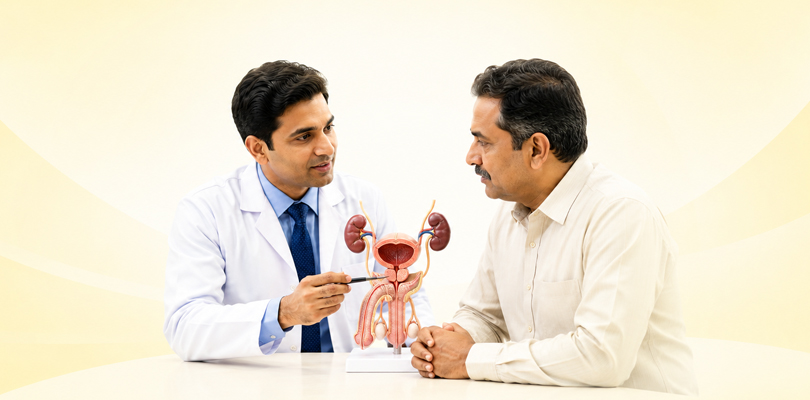
The department of Urosurgery at Lilavati Hospital, Gujarat, addresses issues within the urinary system and, for men, the reproductive system. This encompasses the kidneys, ureters, bladder, urethra, prostate, and associated structures. The discipline merges traditional open surgery with modern, minimally invasive methods such as endoscopy, laparoscopy, and robotic-assisted techniques. Nowadays, many urological procedures are performed through small incisions or via natural urinary pathways. This approach often accelerates recovery and reduces discomfort. The aim is to address the root issue while maintaining bodily function, particularly concerning urinary and reproductive health.
Patients are referred to urosurgeons when their needs extend beyond standard medical treatment. Some common reasons are kidney stones that won't pass on their own, urinary blockage, prostate enlargement, tumors, or infections that keep coming back. When people have symptoms like trouble urinating, blood in their urine, severe flank pain, or urinary retention, they often need more tests. Some patients are referred to specialists after imaging tests reveal structural abnormalities. Others may need surgery to remove cancers from their kidneys, bladders, or prostates.
There are many different types of problems that our urosurgeon can help with. Kidney stones (which can be treated with ureteroscopy or PCNL), prostate enlargement (BPH), urinary tract tumors, and bladder disorders are all examples of these. It also includes treating cancers of the urinary system, such as those of the kidney, bladder, and prostate. Some of the procedures that may be done are removing a tumor, prostate surgery, reconstructive surgery, and minimally invasive stone removal methods. Surgery is also used to treat urinary incontinence, strictures, and congenital abnormalities of the urinary tract.
Most urological conditions have good outcomes when surgery is performed promptly. Minimally invasive and robotic surgery have improved, making it more accurate and shortening recovery time. Depending on the procedure, many patients can return to their normal activities quickly. Long-term results are usually good when people follow up and make changes in their lives, such as improvements in urinary function and quality of life.