
Overview
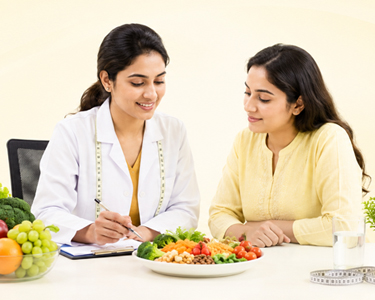
The department of dietetics at Lilavati Hospital, Gujarat, looks at how nutrition affects health and disease management. It means assessing someone's eating habits, nutritional needs, and health to create personalized eating plans. Dietitians work closely with doctors to ensure that nutrition supports treatment, recovery, and overall health. This can be anything from basic advice on what to eat to specialized nutrition therapy in hospitals. Dietetics is very important because what we eat directly affects our metabolism, immune system, and long-term health.
Dietetics helps people manage a wide range of health problems. These are metabolic disorders like diabetes, heart disease, gastrointestinal problems, kidney disease, and being overweight. It also helps with both overnutrition and undernutrition, which are both types of malnutrition. Dietitians help each patient plan their meals, track their calories, and ensure they get the nutrients they need. In clinical settings, they may also create therapeutic diets, like low-sodium, high-protein, or renal diets, based on the patient's needs.
Good nutrition is very important for both preventing and improving. Many health problems can be better managed, and complications can be lessened with the right diet. As more people learn about the link between food and health, dietetics is becoming increasingly important. Patients can make long-term improvements to their health and well-being if they follow the advice and stick to it.